Unlocking Confidence in Your Data Analysis Dissertation Journey
I'm an experienced academic writer dedicated to helping researchers and students achieve their academic goals. With a PhD in History and years of experience, I provide meticulous research, polished writing, and comprehensive editing services to ensure your work shines. I'm passionate about crafting impactful and original content that meets the highest academic standards.
I still remember sitting in the library late at night, staring at endless rows of data that felt more like a puzzle than a pathway to discovery. My first attempt at a data analysis dissertation was overwhelming. Numbers swam before my eyes, methods blurred together, and I questioned whether I was even on the right track. But with time—and plenty of mistakes along the way—I began to see patterns emerge, and those once-intimidating datasets turned into a powerful story I could finally tell.
In this article, I want to share the lessons I've learned about making a dissertation centered on data analysis not only manageable but even fulfilling. If you’ve ever wondered how to avoid the most common pitfalls, keep your writing engaging, and present findings with authority, my own journey may offer some helpful insights.
👉 Explore practical guidance for mastering your data analysis dissertation
Why Data Analysis Feels So Daunting at First
For me, the biggest challenge wasn’t the complexity of the statistics—it was the fear of misinterpretation. What if I used the wrong method? What if my readers found gaps in my reasoning? These doubts are natural, but they don’t have to derail progress. The truth is, every researcher struggles with uncertainty. It’s not about eliminating doubt but learning how to work through it strategically.
The Mistakes I Made (So You Don’t Have To)
Jumping straight into analysis without a clear research framework.
Overloading my dissertation with technical jargon instead of telling a clear story.
Ignoring visualization tools that could have made my findings more accessible.
Once I corrected these missteps, everything became smoother. For example, framing my questions before running tests made my outputs sharper and easier to interpret. And by simplifying my explanations, I noticed my supervisors responded more positively—they cared about the clarity of my argument, not just the depth of my calculations.
Different Approaches to Data Analysis in Dissertations
Not all approaches are equal, and choosing the right one depends on your goals, data type, and methodology. Here’s a comparison of the three most common strategies I’ve encountered:
| Approach | Best For | Advantages | Drawbacks |
| Quantitative Statistical Models | Large datasets, hypothesis testing | Strong objectivity, replicable results | Can feel impersonal, risk of misinterpretation |
| Qualitative Thematic Analysis | Interviews, case studies, narratives | Rich insights, context-driven findings | Time-consuming, harder to generalize |
| Mixed-Methods Integration | Projects requiring balance of numbers and stories | Holistic view, flexible framework | Complex to execute, demands strong justification |
Personal Strategies That Made the Process Easier
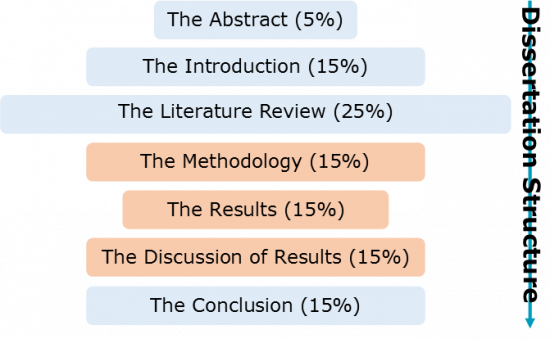
One of my most effective strategies was breaking down the dissertation into stages. Instead of seeing it as a mountain, I treated it like a series of hills. First, I drafted my questions. Then, I identified the right tools—sometimes a simple regression, other times a more advanced model. I also forced myself to write down interpretations immediately after running analyses, rather than waiting until weeks later. This habit reduced my confusion and kept the results fresh in my mind.
Visualization was another game-changer. A dataset that once felt endless became approachable when I plotted key variables into graphs and charts. Not only did this clarify patterns for me, but it also made my work more engaging to others. In fact, my committee specifically praised the clarity of my charts. That felt like a win worth celebrating.
Balancing Objectivity with Personal Insight
At first, I hesitated to insert my voice into the dissertation, fearing it would undermine objectivity. Over time, though, I learned that weaving in interpretation and context wasn’t only acceptable—it was expected. Data doesn’t speak for itself; it requires a guide. That guide is you. The trick is to support personal interpretations with evidence, ensuring they are credible rather than speculative.
Practical Tips I Wish I Knew Earlier
Document every step of your process—you’ll thank yourself later during revisions.
Use plain language to explain complex tests; clarity is a strength, not a weakness.
Don’t underestimate peer feedback; others see blind spots you miss.
I can’t stress enough how much peer review transformed my work. Feedback didn’t just point out errors; it revealed alternative ways of presenting findings that made my arguments sharper. If you’re hesitant about sharing your draft, I’d encourage you to take the leap.
Making the Most of Supportive Services
There’s no shame in seeking extra help. At one point, I turned to a professional review service to evaluate my draft. What I received wasn’t just corrections but detailed notes on how to strengthen my argument flow. That external perspective saved me weeks of frustration. If you’re considering it, think of it not as outsourcing your work but as adding another layer of refinement.
Remember, the goal of a data analysis dissertation is not just to crunch numbers—it’s to make meaning out of them. And sometimes, getting a little external clarity makes all the difference.
Disclaimer: Everything I’ve shared here comes from my personal experience. While these strategies worked for me, each dissertation journey is unique, and your path may require different tools or approaches.


